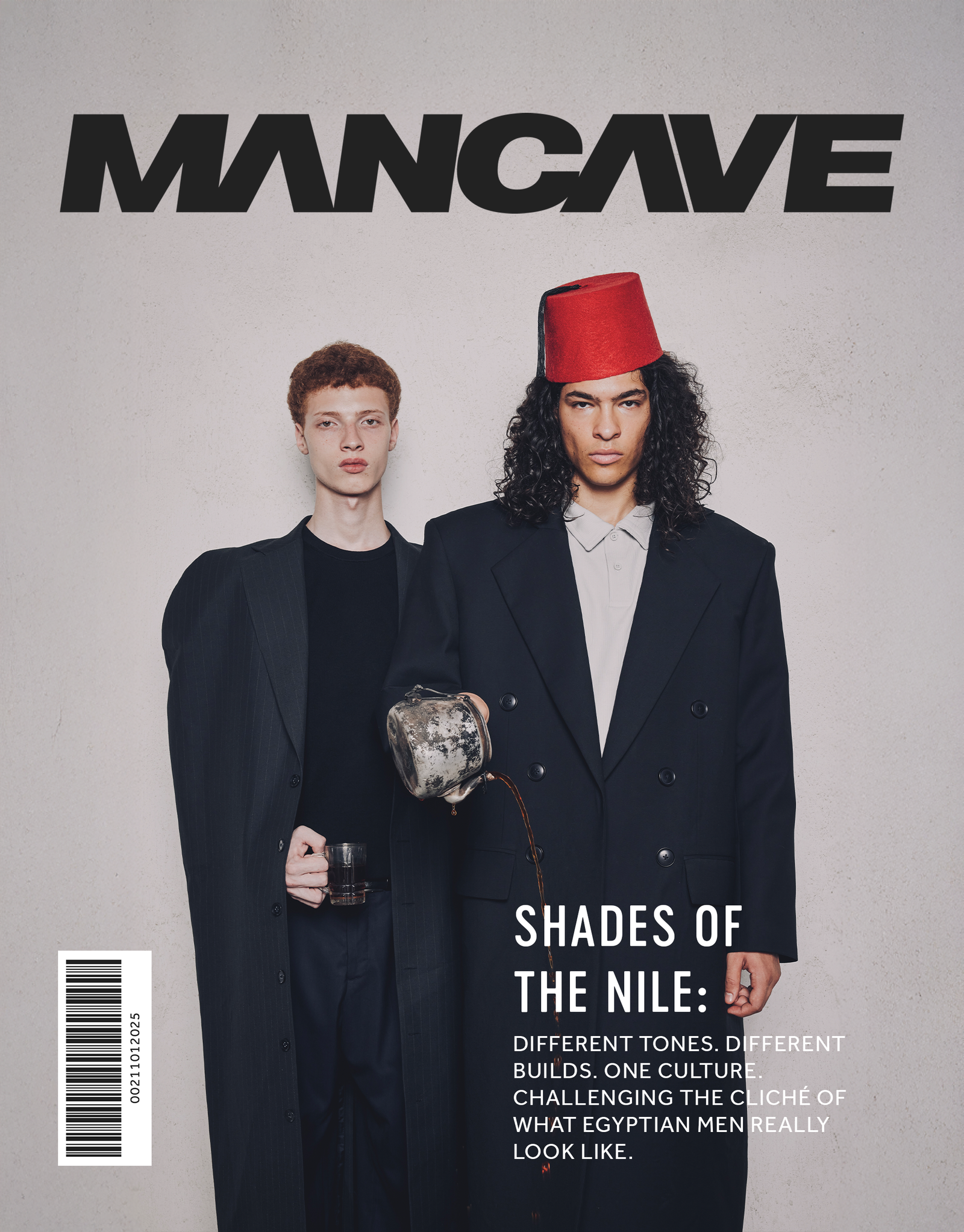
Before the Mirror Was Tinted
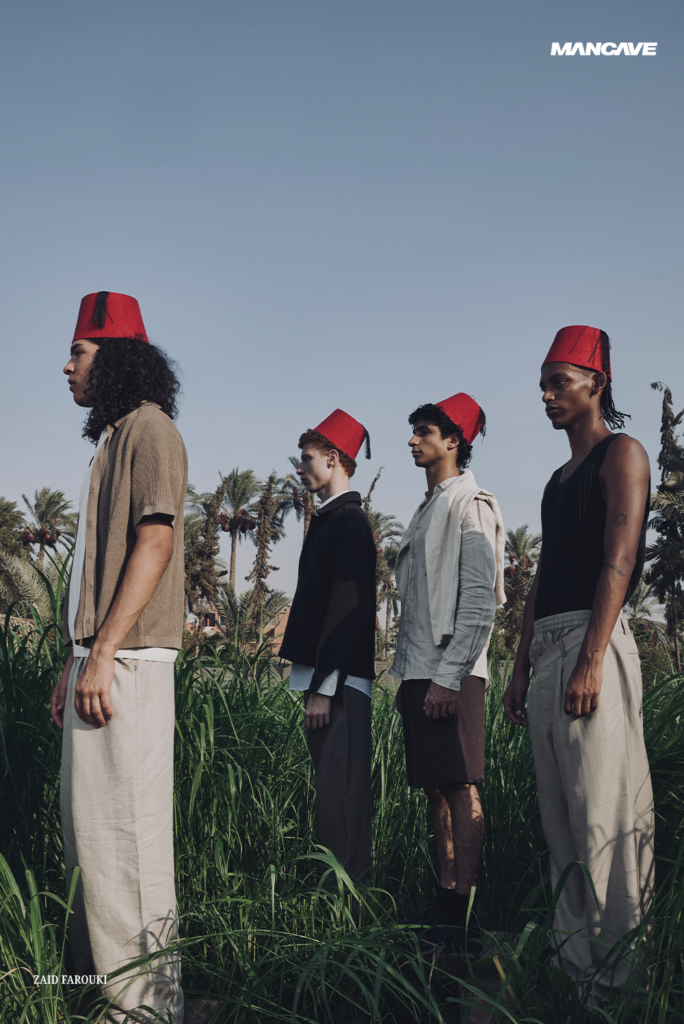
A Land of a Thousand Faces
Egypt isn’t one thing. It’s part Africa, part Arabia, part Mediterranean. Nubian, Alexandrian, Coptic, Bedouin. Muslim, Christian. Every man carries layers of history in his face, his walk, his voice.
Different faces. Different faiths. One heartbeat.
Yet somehow, the world and sometimes we ourselves tried to shrink all that into one image: tanned skin, sharp jawline, slick hair. The “typical Egyptian man.” Walk through Cairo, Luxor, or Aswan, and the truth is clear: Egypt doesn’t have one face. It has millions.
“Egyptian men don’t fit a single frame and that’s the point.”
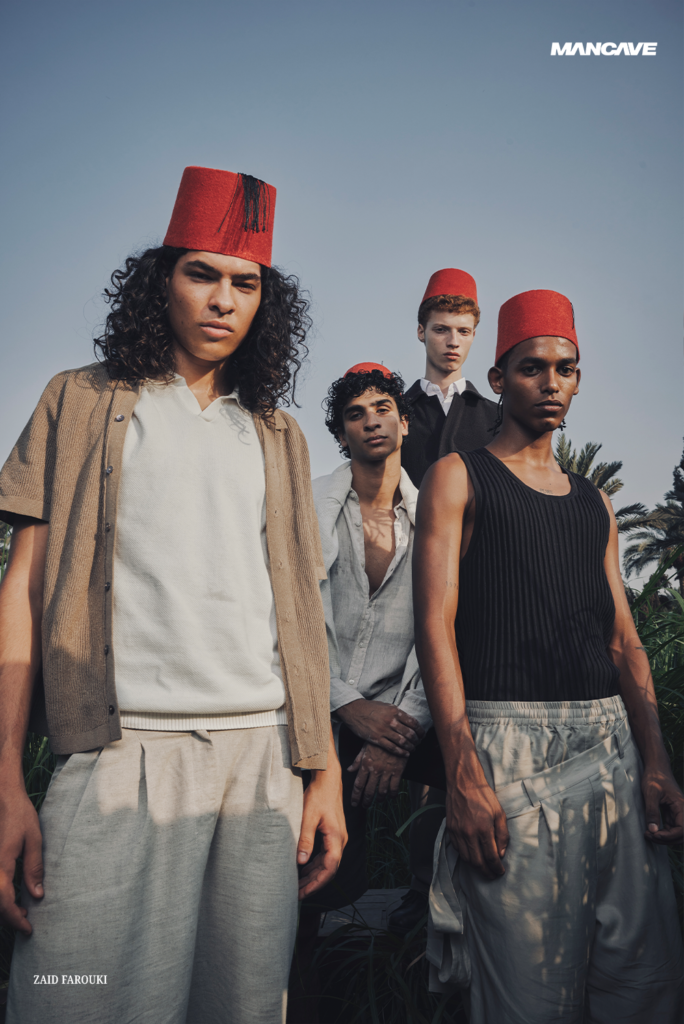
A Land of a Thousand Faces
Egypt isn’t one thing. It’s part Africa, part Arabia, part Mediterranean. Nubian, Alexandrian, Coptic, Bedouin. Muslim, Christian. Every man carries layers of history in his face, his walk, his voice.
Different faces. Different faiths. One heartbeat.
Yet somehow, the world and sometimes we ourselves tried to shrink all that into one image: tanned skin, sharp jawline, slick hair. The “typical Egyptian man.” Walk through Cairo, Luxor, or Aswan, and the truth is clear: Egypt doesn’t have one face. It has millions.
“Egyptian men don’t fit a single frame and that’s the point.”
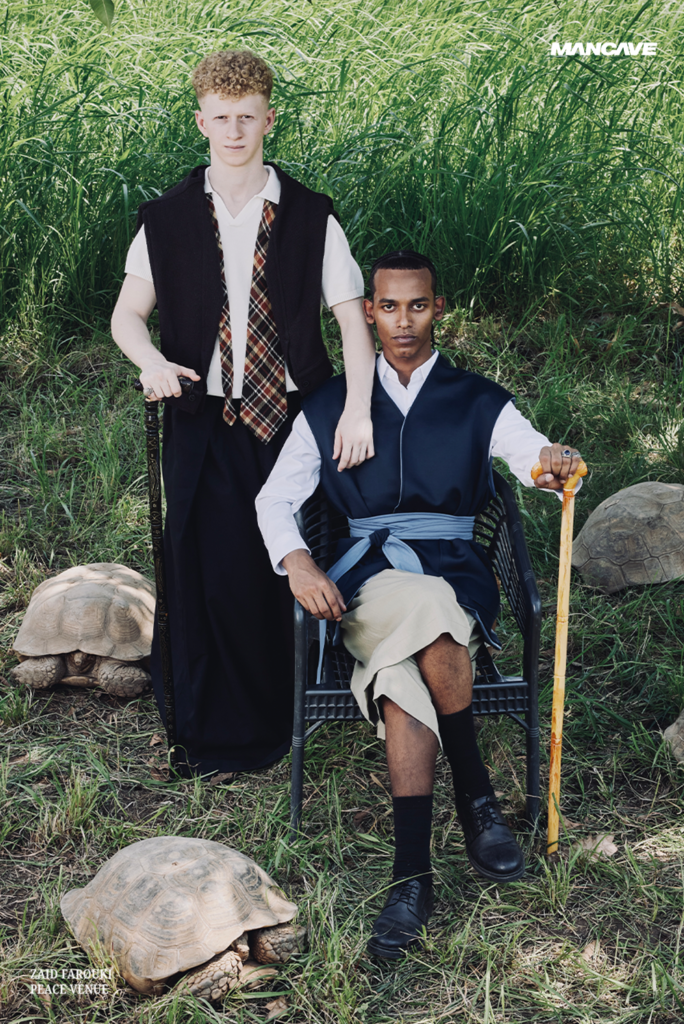
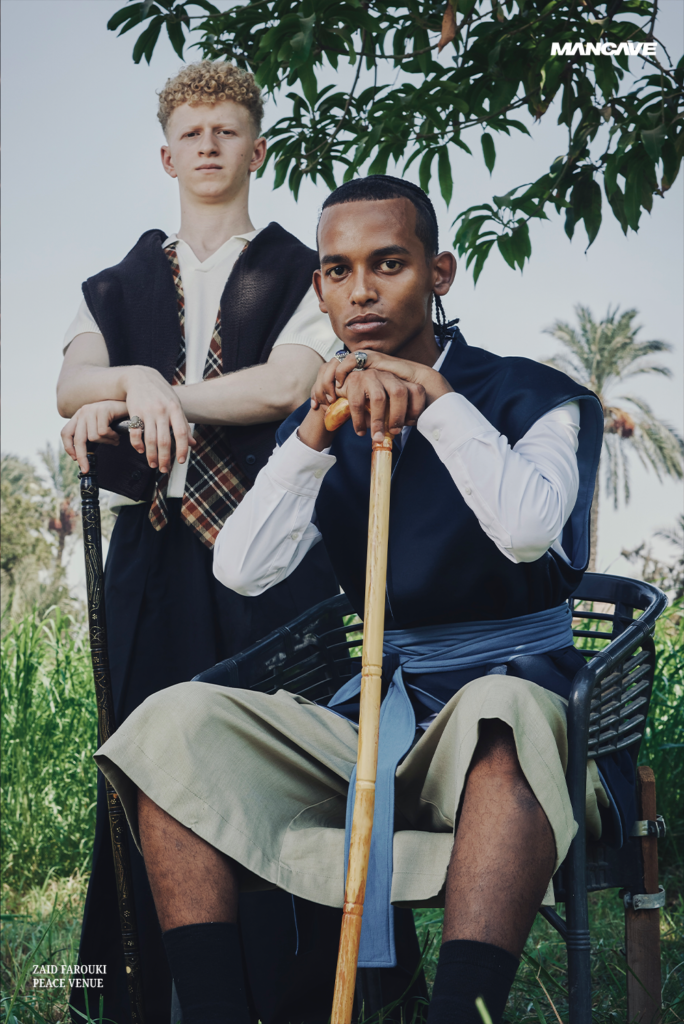
The Weight of the Image
If you grew up a few shades off the “ideal,” you know the drill. The jokes. The side glances. The subtle digs.
“You don’t look Egyptian enough.”
“Too dark. Too light. Too curly. Too soft.”
It starts with a small laugh in the playground but sneaks into school, work, even dating. Some get praised for “looking foreign.” Others are brushed off as “too southern.” It can make you feel invisible in your own country, doubting your place and your worth.
“Bullying and favouritism aren’t just childhood scars they echo in adulthood too.”
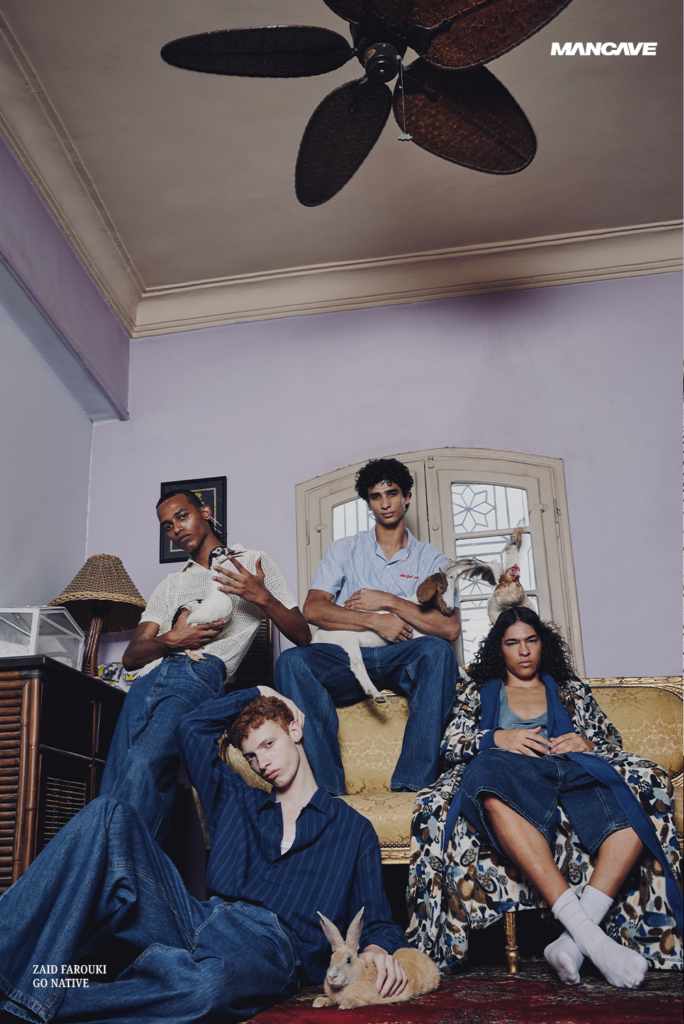
Same River, Different Currents
For every man told he doesn’t “look Egyptian,” there’s another quietly redefining it. The Nubian teacher with pride in his voice. The city creative rocking untamed curls. The fisherman in Damietta. The farmer in Luxor.
Different accents, different faiths, different styles yet the laughter, the love, the pride is the same. That’s the Nile running through all of them.
And no matter how different they look, there’s one thing that ties them all together: their grandmothers.
Every Egyptian man, no matter how tough or stoic, softens at her call. He visits her after work, kisses her hand, listens to her stories, stories that remind him where he comes from. In her eyes, every grandson is beautiful. Every shade is hers.
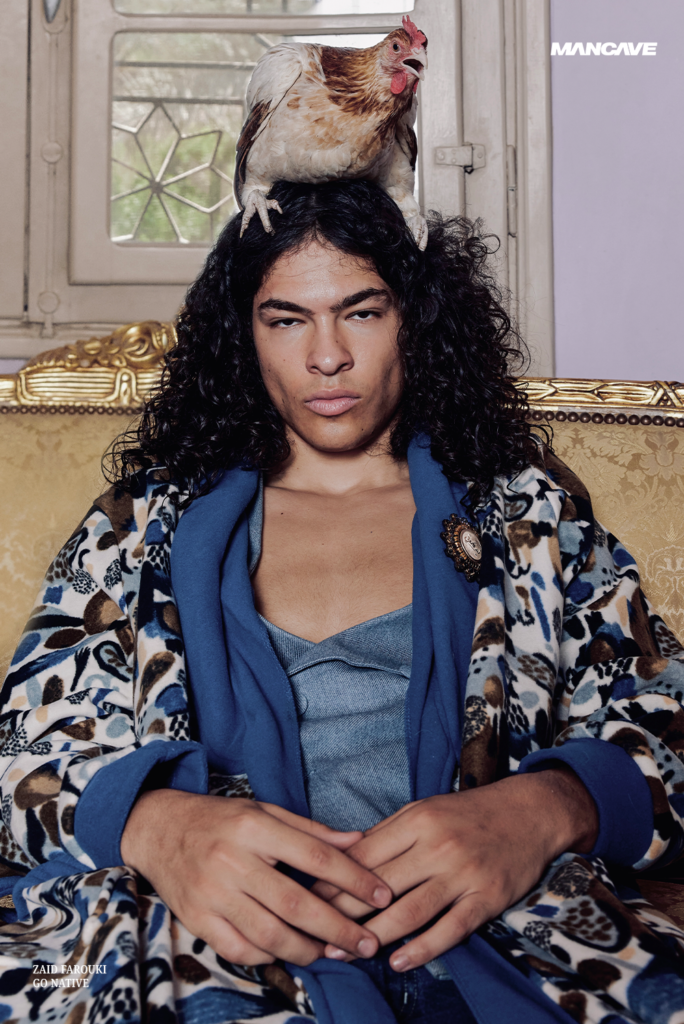
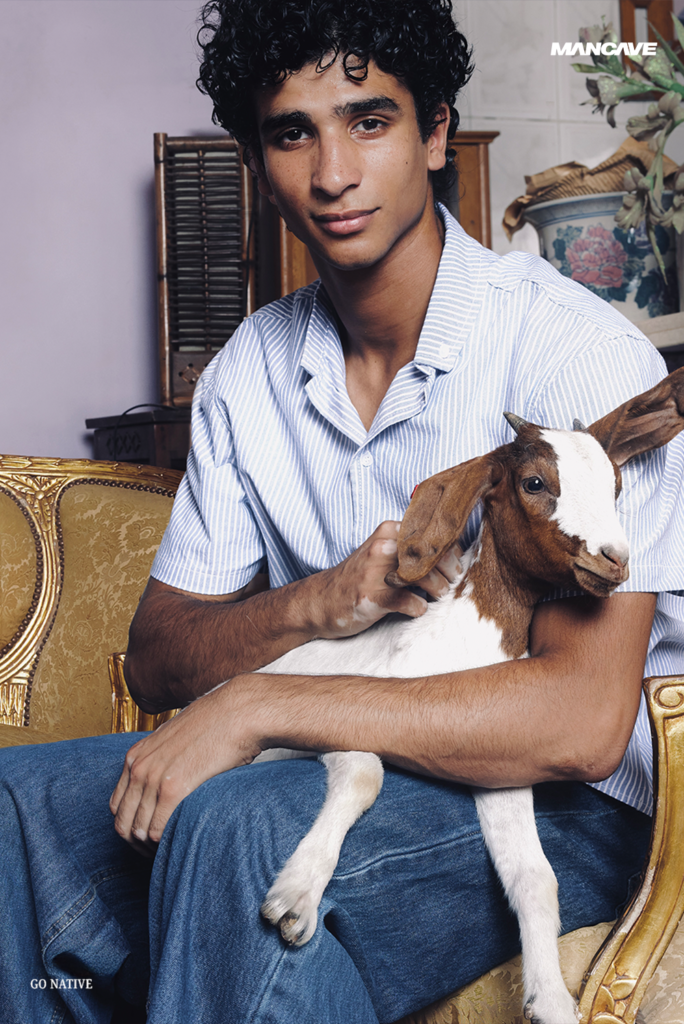
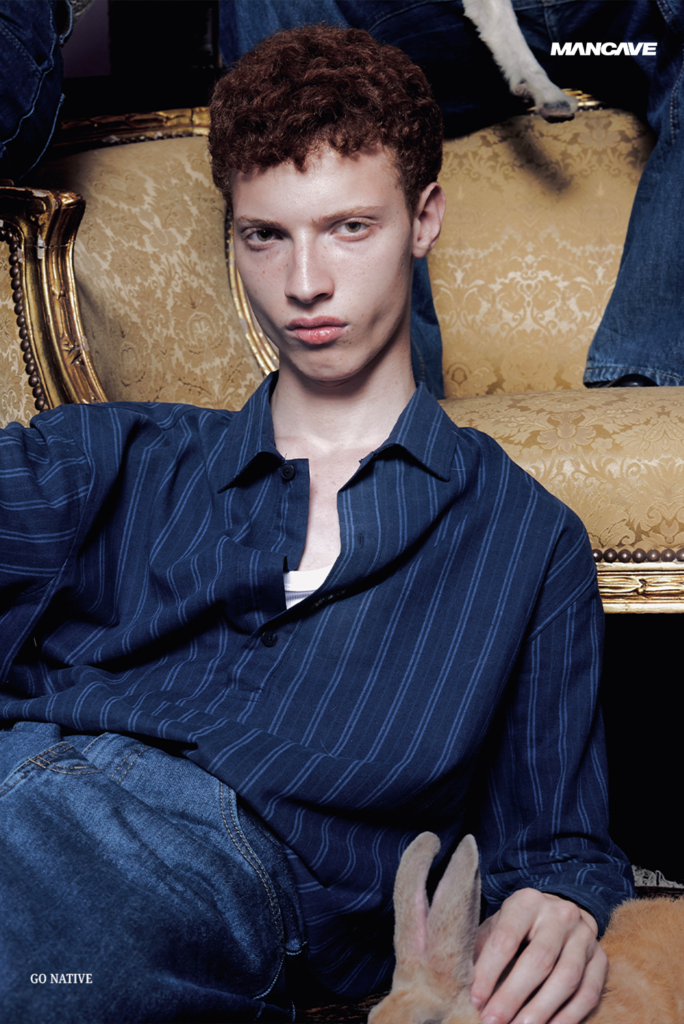
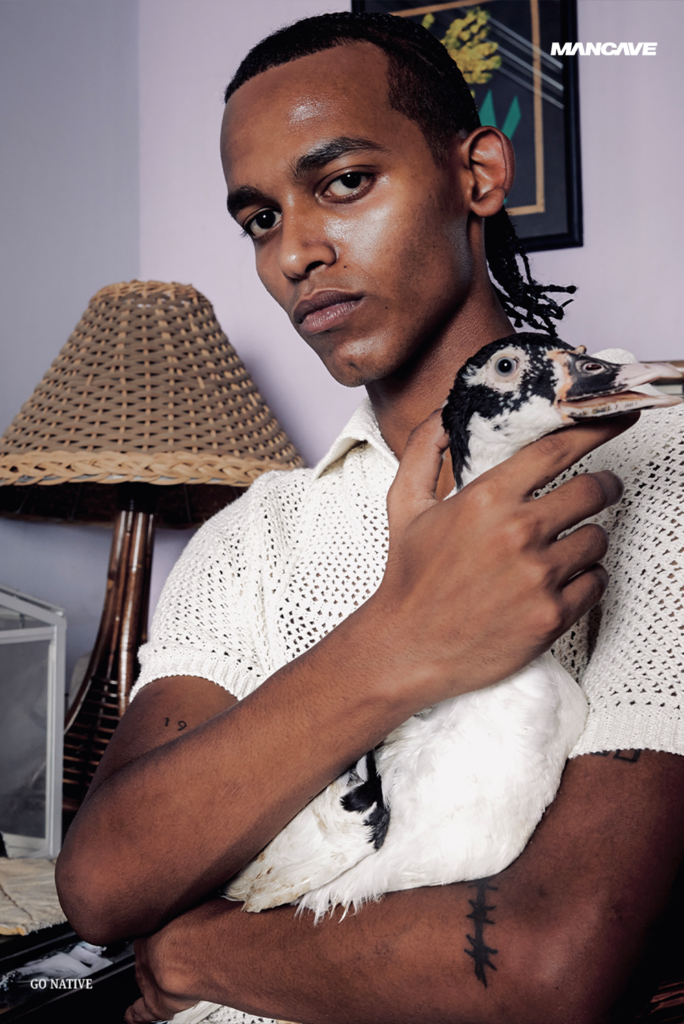
Because beyond the teasing and the differences, these men share the same joys and the same griefs, gathering at the same weddings, dancing to the same songs, standing shoulder to shoulder at the same funerals.
In the end, the laughter and the tears sound the same in every dialect.
“Strength isn’t in fitting the mold. It is in standing proud, however you look.”
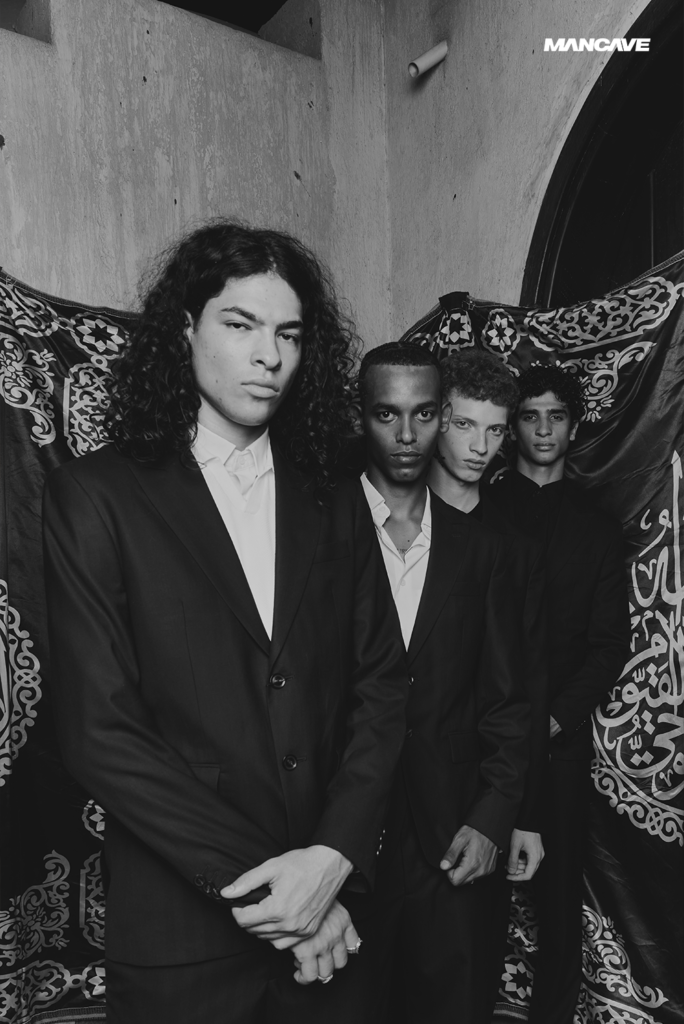
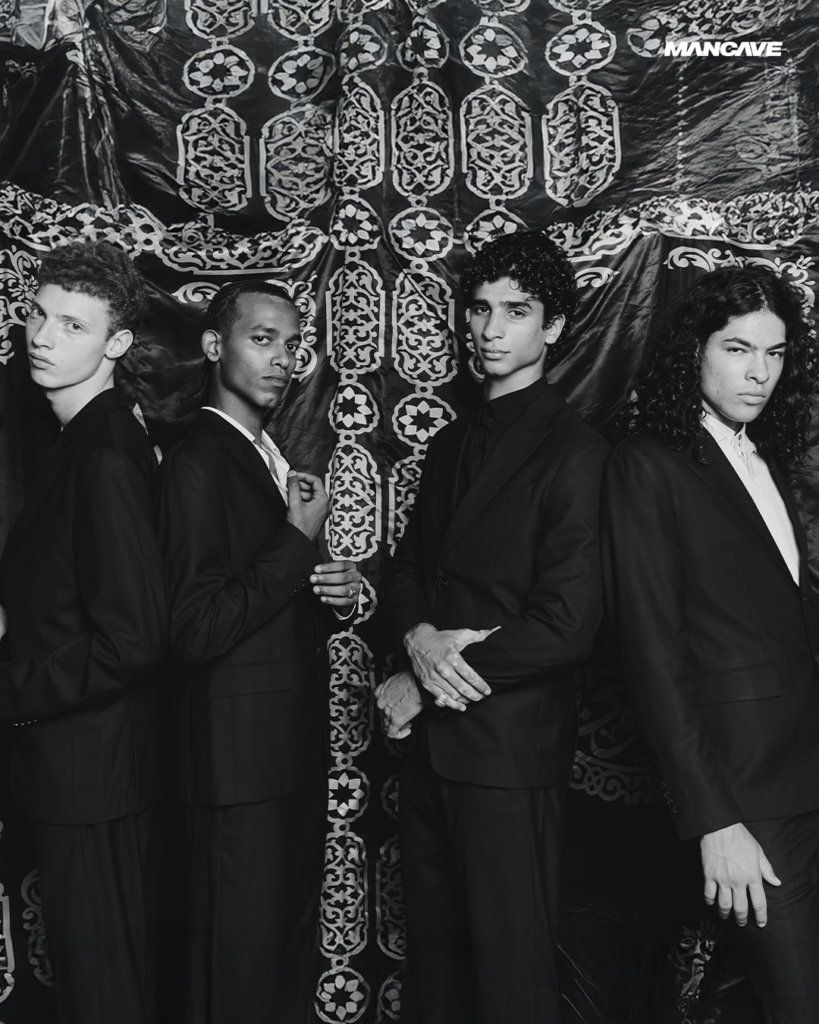
Remembering Who They Are
Drop the filters. Drop the comparisons. The Egyptian man has never been one thing.
He’s every tone the sun touches, every story the river whispers.
Proud. Stubborn. Emotional. Loyal. Often all in one day.
Son of Pharaohs and farmers, poets and soldiers and grandsons who still find home in their teta’s embrace.
His worth? Never measured by skin, curls, or jawline.
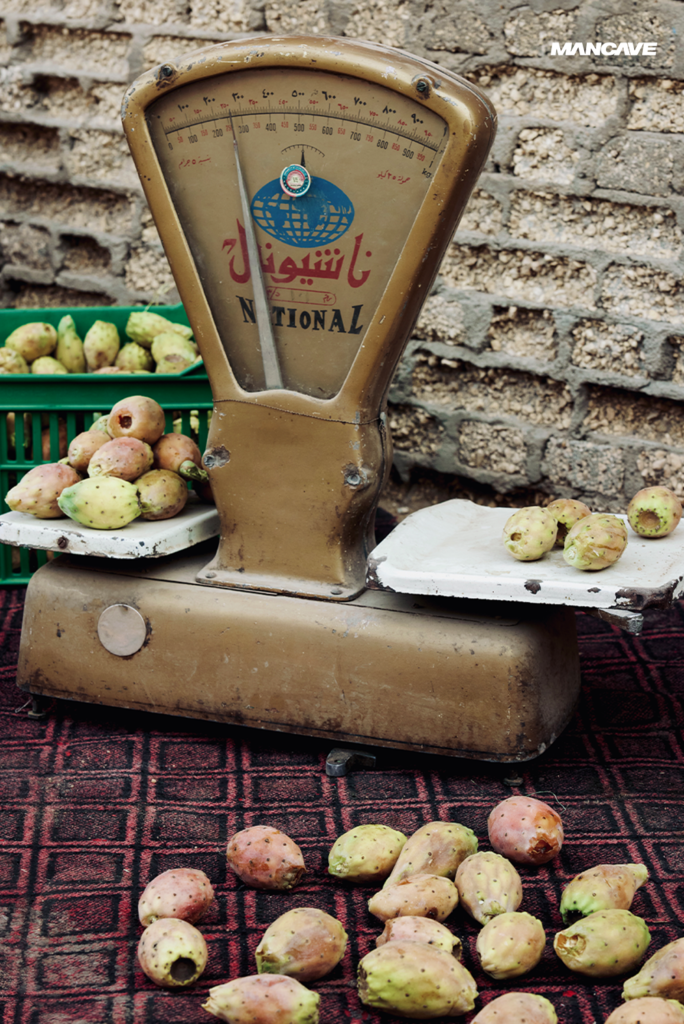
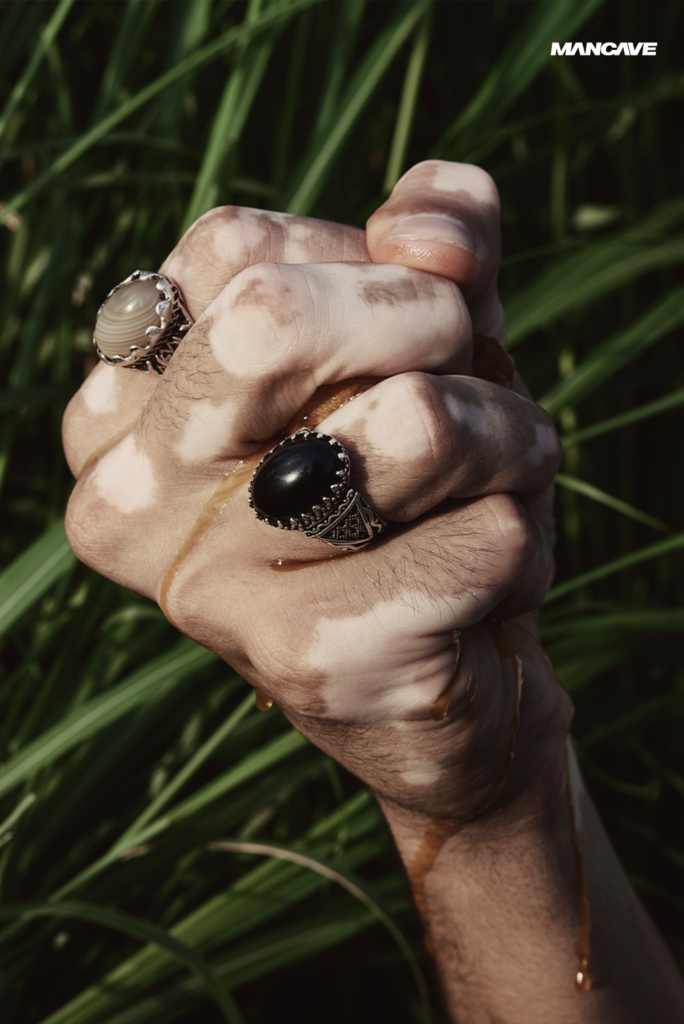
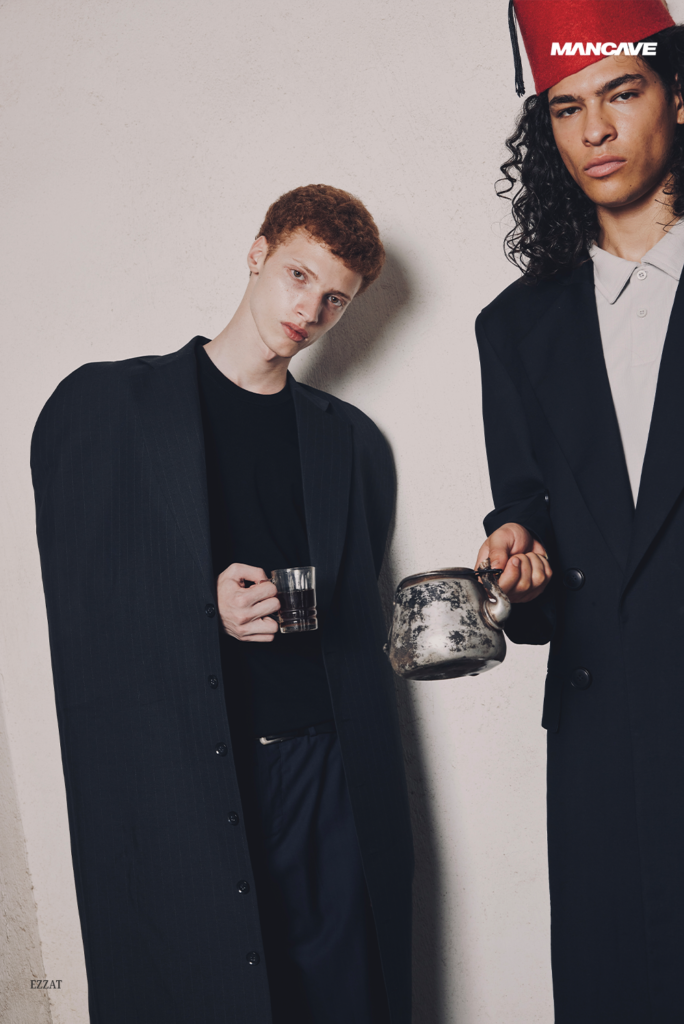
Different tones. Different builds. One culture.
The Nile runs through all of them, just in different colours.
And maybe that’s the most Egyptian thing of all!
Team:
Founders: Adonis Sherrod & Monaliza Wahba
Editorial Director: Arifa Kabir
Creative & Fashion Director: Monaliza Wahba
Editorial Assistant: Shereen El Gendy
Photographer: Muhammed Mostafa
Models: Zain, Noah, Kenz, Ayoub, Youssef by UNN Models
Art Director: Shady Emil
Junior Stylist: Sayed Usama
Stylist Assistant: Lonzo
Production Coordinator: Jaden Kamel
Written by: Arifa Kabir
Graphic Designer: Shady Emil
Special thanks to Bayt Al Amir Farm
Brands:
Zaid Al Farouqi
Ezzat
Peace Venue
Go Native Egypt